
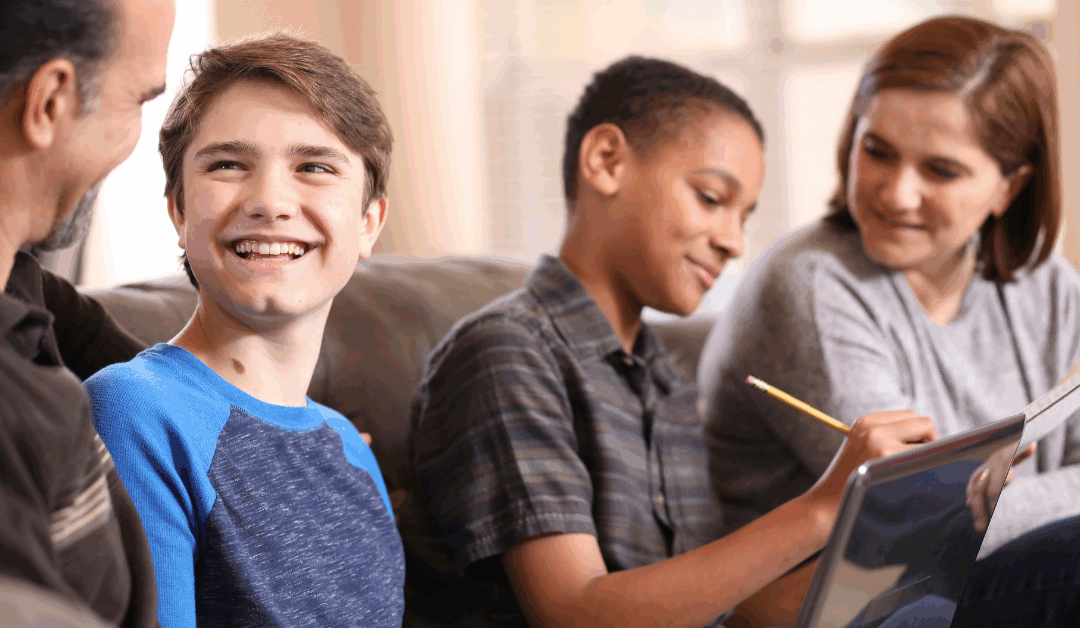
Let’s be real—being a kid is already a full-time job. Throw in instability, trauma, or losing your sense of safety, and that job becomes nearly impossible. That’s where foster care homes comes in.
Not as a perfect fix (because let’s face it, perfect doesn’t exist), but as a way to step in and say: “Hey, we’ve got you now.”
Foster care is about giving kids a soft landing in the middle of life’s hardest moments. It’s about showing up for a child who’s been through more than they should have. And even when it’s messy or complicated—it’s still one of the most powerful things you can do for a child.
So let’s talk about it.
What foster care really means, how many children are involved, and what it actually looks like to adopt a child from the system. Whether you’re just curious or considering becoming a foster parent yourself, this one’s for you.
What Is Foster Care?
Foster care is a temporary arrangement that steps in when children can’t safely live with their biological families. That could be due to a range of reasons—neglect, abuse, incarceration, mental health struggles, or simply a family needing more support than they have access to.
When that happens, the goal is to provide kids with a safe, loving home while their families work toward reunification (if that’s possible). Sometimes the child is placed with a relative (that’s called kinship care), but often, it’s with a licensed foster family who’s trained to care for children through big emotions, transitions, and healing.
Think of foster care as a temporary bridge. Not always a smooth one, but a bridge nonetheless—one that carries kids from crisis toward stability, healing, and sometimes, a forever home.
How Many Kids Are in Foster Care?
Let’s talk numbers for a moment—because the scale of this matters.
As of the latest national data, there are over 390,000 children in foster care in the United States. That’s hundreds of thousands of kids who need safety, stability, and someone to believe in them.
Some key facts:
- Around 30% of kids in foster care are under the age of five.
- Teens are often the most overlooked group, even though they still need just as much love and support.
- Sibling groups are frequently split up due to a lack of available homes.
- Kids of color—especially Black and Indigenous children—are overrepresented in the system, which points to bigger systemic issues we can’t ignore.
Behind each of these numbers is a real child—one who’s navigating confusion, fear, and often grief. And while foster care can’t erase the pain they’ve already experienced, it can absolutely be the beginning of something safer, steadier, and more hopeful.
How Do Foster Care Homes Help Kids?
This is where the magic happens.
Yes, foster care is about shelter and food and structure. But it’s also about bedtime routines. Safe hugs. Homework help. Someone who shows up for the school play or the doctor’s appointment or the really hard therapy session.
Foster homes help kids by:
- Providing Safety First
When children enter foster care, they’re often coming from environments that weren’t safe. A foster home offers a physical and emotional space where they can finally exhale—sometimes for the first time.
- Creating Stability (Even When Life Feels Anything But)
Even if the placement is temporary, knowing what to expect each day—when meals are, when bedtime is, who will be there—matters more than you might think. Predictability builds trust.
- Teaching What Healthy Relationships Can Look Like
Kids in foster care might have learned that love equals chaos or that adults can’t be trusted. A caring foster parent helps rewrite that narrative—slowly, patiently, and consistently.
- Supporting Emotional and Academic Growth
Healing takes a village. Foster homes often coordinate therapy, school support, and community involvement. The goal isn’t perfection—it’s progress.
- Making Space for Joy
Yes, there are hard moments. But there’s also laughter. There are holidays, birthdays, dance parties in the kitchen. Foster homes aren’t just survival zones—they’re places where joy can start to grow again.
Foster parents aren’t superheroes—they’re just humans with big hearts, open minds, and a willingness to walk alongside a child through the mess and the magic.
How to Adopt a Foster Care Child?
This is one of the most common questions people ask—and it’s a beautiful one.
Many kids in foster care are eventually reunited with their families, which is always the first goal. But when that’s not possible, adoption becomes an option. Here’s how the process generally works:
Step 1: Start with Fostering
Most adoptions from foster care begin this way. It gives both the child and the caregiver time to build trust and connection. It also allows the court to work through the reunification process first.
Step 2: Complete Training and Licensing
To adopt from foster care, you’ll need to become a licensed foster parent first. That involves training (including trauma-informed care), a home study, background checks, and paperwork. It sounds like a lot—but it’s manageable, and you’ll be guided through it.
Step 3: Wait for Parental Rights to Be Terminated
A child can’t be adopted until the court has legally terminated the biological parents’ rights. This is always a big, emotional process—for the child, the biological family, and the foster family.
Step 4: Finalize the Adoption
Once all legal steps are complete, the adoption is finalized in court. You become the child’s legal parent—with all the rights and responsibilities that come with that role.
One important note: adopting from foster care is often free or very low-cost. Many children are also eligible for support services, healthcare, and subsidies after adoption.
But more than anything, adoption from foster care is about commitment. It’s about saying, “You’re safe now. And I’m not going anywhere.”
Final Thoughts: Foster Care Isn’t About Being Perfect—It’s About Being Present
Foster care isn’t about fixing kids. It’s not about rescuing them or being a hero. It’s about showing up. Again and again. Even on the hard days. Especially on the hard days.
Whether you’re just starting to learn about foster care, considering becoming a foster parent, or thinking about adoption, know this: your interest alone matters. Your curiosity could be the beginning of something life-changing—for a child, and maybe for you, too.
Kids in foster care don’t need perfection.
They need connection. They need homes where they can be seen, supported, and loved for who they are—messy past, big feelings, and all.
So if you’ve ever thought to yourself, “Maybe I could do this…”—you already have the heart for it. And that’s a pretty incredible place to start.
You don’t have to have it all figured out. You just have to be willing to open the door.
Children’s Mental Health Services in Houston & San Antonio Texas
Accepting Medicaid & Private Insurance
Reach out
Phone Number: 1-855-AOC-6100
24 Hours Crisis Line: 832-934-7770
Hours: Monday-Friday 9-5PM
Location: Houston & San Antonio areas
Houston Email: admin@aocoutreachservices.com
San Antonio Email: admin.sa@aocoutreachservices.com
Insurance Accepted
Medicaid: Texas Children Health Plan, Superior Health Plan, Molina Healthcare, United Healthcare
Private: Aetna, Blue Cross Blue Shield, & Cigna
Offices
Houston Office: 6671 Southwest Freeway, Suite 675, Houston, Texas, 77074
San Antonio Mailing Address: 45 Northeast Loop 410 Suite 207, San Antonio, Texas 78216
Follow Us
learn more
Start Services